

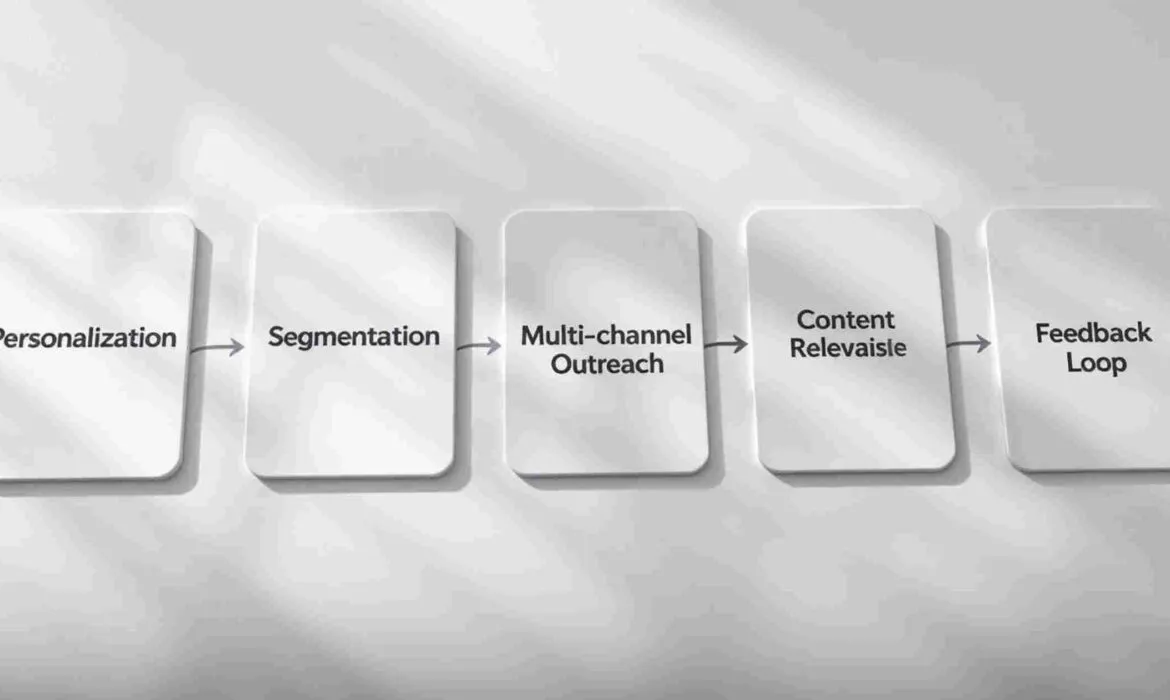
In the evolving world of digital marketing, engaging business audiences has become more complex and more strategic than ever before. Buyers are more informed, more selective, and more cautious in choosing which brands they invest their time in. This shift has pushed marketers to rethink how they communicate, personalize, and deliver value. Understanding B2B audience engagement best practices is now essential for any brand looking to stay relevant, build trust, and grow sustainably. Businesses that master these practices strengthen relationships, nurture loyalty, and generate stronger, more predictable revenue outcomes.
Why B2B Audience Engagement Matters Today
The B2B customer journey has become increasingly nonlinear. Buyers move between channels, platforms, and content types while forming their opinions long before reaching out to a sales team. This means brands can no longer rely on traditional outreach or static content. They must focus on interactive experiences, relevant storytelling, personalized insights, and value-driven communication. B2B audience engagement best practices guide businesses toward creating meaningful connections at every touchpoint. When done well, engagement increases brand recall, encourages repeat interactions, and positions your business as a trusted authority in its category.
Understanding Modern B2B Buyer Expectations
Today’s B2B buyers expect authenticity, personalization, and relevance. They want solutions that understand their challenges and content that speaks directly to their needs. They expect timely communication that respects their stage in the buying cycle. Modern buyers also want educational, experience-rich interactions rather than pushy sales messages. This means successful brands need to focus on relationships, not transactions. The most effective B2B audience engagement best practices emphasize building familiarity, credibility, and emotional resonance over time. Instead of forcing conversions, the objective becomes nurturing buyers with helpful information, insights, and support.
Creating Valuable Content that Drives Real Engagement
Valuable content remains one of the most powerful tools for engaging B2B audiences. High-quality educational materials such as blogs, whitepapers, industry reports, webinars, and case studies help businesses position themselves as thought leaders. When content speaks directly to buyer pain points and offers practical solutions, it encourages prospects to spend more time with the brand. The foundation of B2B audience engagement best practices lies in understanding what your audience cares about, what problems they need help solving, and how you can deliver information that feels genuinely useful. Consistency in messaging and relevance ensures that every piece of content makes a meaningful impact.
Personalization as a Key Driver of Engagement
Personalization has moved far beyond using a customer’s name in an email. Buyers now expect brands to understand their interests, industry context, and challenges. They want content tailored to their stage of research and solutions designed with their business goals in mind. Modern engagement strategies leverage intent data, audience segmentation, and behavioral insights to personalize every interaction. Personalized content increases trust, boosts engagement time, and encourages buyers to take the next step in their journey. By applying B2B audience engagement best practices, marketers can create curated experiences that feel specific and relevant rather than generic.
Building Engagement Through Multi-Channel Communication
No single channel can effectively carry a brand’s entire communication strategy anymore. B2B buyers spread their time across email, websites, social platforms, video channels, communities, and events. To maintain consistent engagement, brands need to build a cohesive multi-channel presence. Multi-channel communication ensures that prospects encounter the brand wherever they are most active and most comfortable. This approach is essential for applying B2B audience engagement best practices because it helps create a unified experience. Whether a buyer engages through email newsletters, LinkedIn posts, or personalized landing pages, the messaging must feel aligned and interconnected. The more consistent the experience, the stronger the engagement.
Leveraging Interactive Experiences for Higher Engagement
Interactive content is rapidly becoming a must-have for B2B marketing. Experiences such as quizzes, assessments, product tours, interactive infographics, and live Q&A sessions drive deeper engagement than passive content alone. Interactive experiences allow buyers to explore topics at their own pace while participating actively rather than reading passively. They also generate valuable data that helps brands understand what their audience is most interested in. This dynamic interaction is essential for building trust and encouraging longer-term engagement. Incorporating interactive experiences is one of the most impactful B2B audience engagement best practices for businesses looking to stand out in crowded markets.
Aligning Sales and Marketing for Better Engagement Outcomes
Engagement does not stop with marketing. True audience engagement continues through the sales process and beyond. Alignment between marketing and sales ensures that prospects experience a seamless journey with consistent messaging and timely follow-ups. When teams share insights, understand the same audience data, and apply similar engagement strategies, the customer experience becomes cohesive. This alignment boosts conversion rates and strengthens relationships. Implementing B2B audience engagement best practices across departments ensures that prospects feel supported, understood, and valued at every stage of the funnel.
Using Data to Continuously Improve Engagement
Data plays a critical role in modern engagement strategies. Brands must continuously analyze audience behavior, content effectiveness, channel performance, and conversion patterns. These insights help identify what is working, what needs improvement, and what new opportunities exist. With the right analytics in place, businesses can refine their B2B audience engagement best practices over time. Data-driven decisions ensure that resources are used effectively and that engagement strategies keep evolving with audience expectations. Continuous optimization is essential for long-term success in a competitive B2B landscape.
The Future of B2B Engagement
The future of B2B audience engagement will be shaped by AI-powered personalization, intelligent automation, real-time insights, and deeper human connections. Buyers will expect even more relevance, faster responses, and more interactive experiences. Brands that adopt innovative engagement practices early will stay ahead of competitors and build lasting relationships. As the digital ecosystem expands, engagement will become even more central to every marketing and sales initiative.
As B2B Audience Engagement Best Practices continue to evolve in 2026, innovation will define success. Leverage AI-powered targeting, precision outreach, and scalable engagement with Acceligize. Transform how your brand connects, converts, and grows in the competitive B2B space.